

Couplings are mechanical devices used to connect two shafts together at their ends to transmit power. They are essential components in machines and industrial equipment for connecting rotating shafts, ensuring smooth power transmission, and protecting components from overload or misalignment. Popular synonyms for couplings include shaft connectors, torque connectors, mechanical couplers, and power transmission joints.
Basic Purpose of Coupling
The primary purpose of couplings is to join two rotating shafts while transmitting torque from one shaft to another. They also help in accommodating minor misalignments, reducing shock loads, and protecting machinery from wear and tear.
How does it transfer power?
Couplings transfer power from a driving shaft (like a motor) to a driven shaft (like a pump or gearbox). This is done by engaging both shafts in a way that the rotational motion of one is efficiently transferred to the other. Proper couplings ensure smooth torque transmission without slippage or vibration, increasing the operational life of machines.
Shaft alignment and torque transmission
Correct shaft alignment is crucial for efficient torque transmission. Couplings help maintain alignment and reduce the stress on bearings and shafts. Misaligned shafts can cause vibration, noise, and premature wear, but couplings act as a buffer to maintain continuous torque transmission.
Misalignment and shock load control
One of the key benefits of couplings is handling misalignment. Flexible couplings, for instance, can compensate for angular, parallel, and axial misalignment. They also absorb shock loads caused by sudden starts or stops, protecting the connected equipment from damage.
Types of couplings with examples
Rigid Coupling – Provides a solid connection, ideal for perfectly aligned shafts.
Example: Sleeve or flange coupling.
Product Name : RR
Capacity : 750 kw / 100 rpm
Max bore : 230 mm
A coupling that rigidly connects two shafts without allowing any misalignment.

Product Name : RGR
Capacity : 856 kw / 100 rpm
Max bore : 260 mm
A coupling with one rigid and one gear-type hub that allows slight misalignment while transmitting torque.
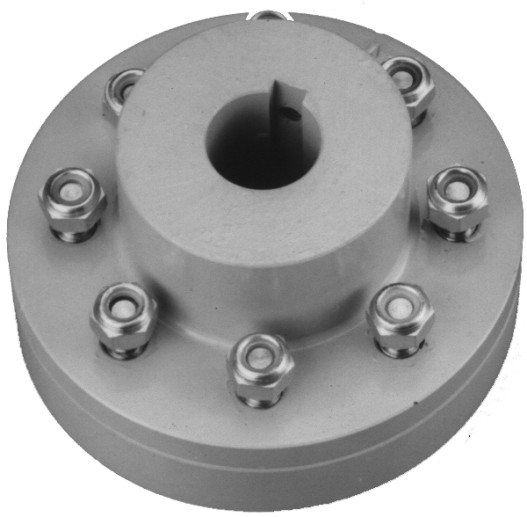
Flexible Coupling – Compensates for minor misalignments.
Example: Jaw coupling, grid couplings, or elastomeric coupling.
Product Name : L
Capacity : 113 kw / 100 rpm
Max bore : 115 mm

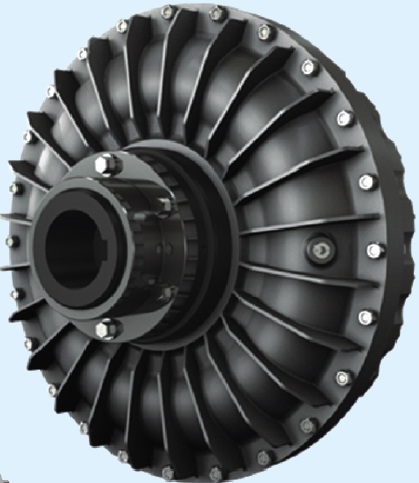
Fluid Coupling – Uses hydraulic fluid to transmit torque smoothly.
Example: Voith Turbo Coupling.
Constant speed fluid coupling
Maximum Rating : 750 kw @ 1500rpm
Sizes : Upto 750
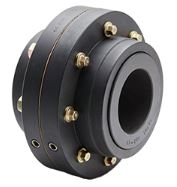
Gear Coupling – High torque applications with minimal backlash.
Example: Falk gear coupling.
Product Name : RGD / RGS
Capacity : 5300 kw / 100 rpm
Max bore : 360 mm
Flexible vs rigid coupling difference
Rigid couplings provide a firm connection but cannot tolerate misalignment. Flexible couplings, on the other hand, allow for some misalignment and absorb vibrations or shock loads. Choosing between the two depends on your application and alignment requirements.
How to choose a coupling?
Selecting the right coupling depends on:
- Shaft size and type
- Torque requirements
- Speed of operation
- Misalignment tolerance
- Environmental factors (temperature, dust, chemicals)
Applications of Couplings
Couplings are widely used in industries such as:
- Manufacturing machinery
- Pump and compressor systems
- Conveyor belts
- Automotive drives
- Robotics and automation systems
Advantages and Disadvantages
Pros:
- Easy installation and maintenance
- Absorbs misalignment and shock loads
- Reduces wear and tear on connected components
Cons:
- Flexible couplings may reduce efficiency slightly
- Wear and tear over time, requiring periodic replacement
- Some types are costly for high torque applications
Common Problems and Maintenance Tips
Common issues with couplings include misalignment, wear of flexible elements, and fatigue failure. Maintenance tips include:
- Regular inspection for wear or damage
- Checking alignment periodically
- Lubrication for lubricated couplings
- Replacing worn elements promptly to avoid equipment damage
Popular Brands and Manufacturers of Couplings
Rathi Couplings
Rathi Couplings is a trusted name in the industrial sector, known for delivering high-quality shaft couplings. Renowned for durability, precision, and reliable performance, their products ensure smooth power transmission and protect machinery from wear and misalignment. With a wide range of couplings suitable for motors, pumps, conveyors, and compressors, Rathi Couplings continues to be a preferred choice for industries seeking efficiency, safety, and long-lasting mechanical solutions.
Regal Rexnord
Regal Rexnord offers high-quality rigid and flexible couplings, known for durability, precision, and reliable performance, ensuring smooth power transmission in industrial machinery.
Altra Industrial Motion
Altra Industrial Motion delivers high-performance couplings designed for maximum torque, durability, and efficiency, making them a trusted choice for demanding industrial and mechanical applications.
Siemens
Siemens couplings combine precision engineering with advanced technology, offering robust performance and exceptional reliability for motors, pumps, and industrial systems across diverse sectors.
Emerson Electric
Emerson Electric offers innovative fluid and mechanical couplings, delivering smooth torque transmission, enhanced efficiency, and reliable performance for industrial machinery and demanding applications.
Conclusion
Understanding the types of shaft couplings helps in selecting the right solution for your machinery. Rigid couplings offer strength, flexible couplings handle misalignment, and specialized couplings like gear and fluid couplings cater to specific industrial needs. Choosing quality couplings like Rathi Couplings ensures smooth operation, reduced downtime, and enhanced equipment reliability.
FAQ
What is the difference between rigid and flexible coupling?
Rigid couplings connect shafts solidly with no misalignment tolerance, while flexible couplings can compensate for minor misalignments and absorb shocks.
What is the difference between a coupling and a clutch?
A coupling connects shafts to transmit power continuously, whereas a clutch engages or disengages the drive temporarily.
Which coupling is best for a motor shaft?
Flexible couplings are generally preferred for motor shafts due to their ability to handle misalignment and reduce vibration.
When is a flexible coupling used?
Flexible couplings are used when slight misalignment exists or when shock absorption is needed in rotating machinery.
What is the working principle of a fluid coupling?
Fluid couplings transmit torque using hydraulic fluid, allowing smooth start-up, vibration reduction, and overload protection.
Can I use the same coupling for motors and pumps?
Yes, as long as the coupling’s torque rating, shaft size, and alignment capabilities match the requirements of both devices.
Where to Buy Couplings Online or Offline
Couplings can be purchased from industrial suppliers, authorized distributors, or online platforms. Rathi Couplings offers reliable products available both online and offline with guaranteed quality and durability.
